
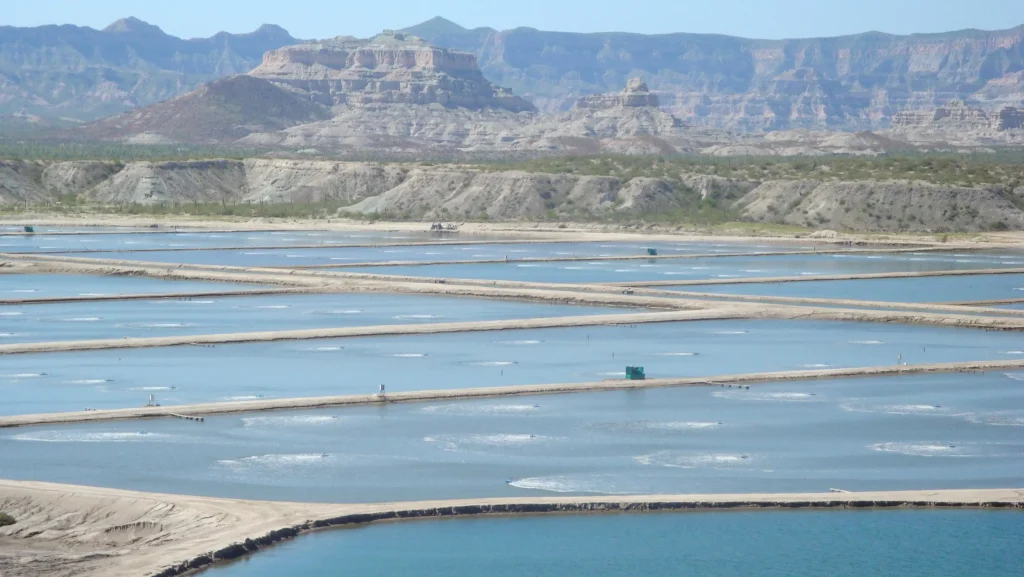
How important is a properly treated water basin for aquaculture?
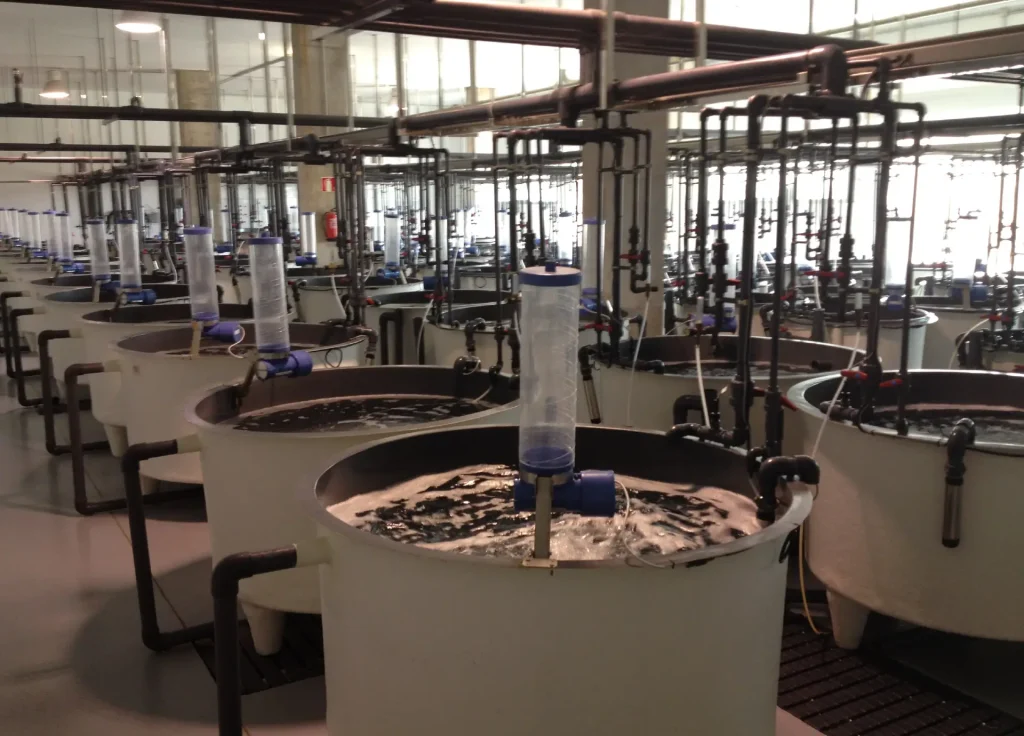
Water treatment in aquaculture is essential for ensuring a suitable environment for the growth and maintenance of aquatic species. Aeration and oxygenation, for example, are fundamental processes that help preserve the balance and well-being of aquatic life. In this regard, the use of advanced technologies plays a key role in supporting the health and productivity of the animals.
The economic impact of aquaculture
In addition to contributing to the food industry, aquaculture and fishing are pillars for employment and trade. In 2020, the total value of aquatic animal production reached 406 billion dollars, with 265 billion coming from aquaculture. Italy is a leader in this field in Europe and ranks second in the world (after China) in sturgeon caviar production, with trout being the most farmed species.
Essential technologies for aquaculture
Let’s now take a look at some of the key technologies for water treatment in aquaculture.
Oxygenators and aerators
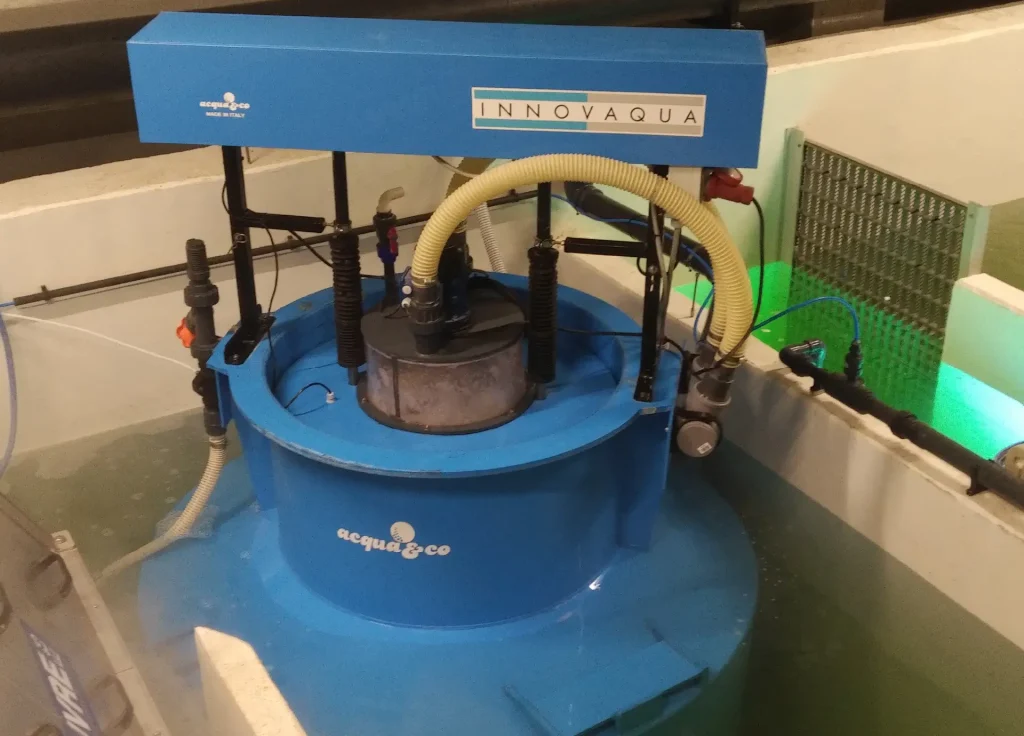
Oxygenators and aerators (which include submersible and surface aerators) are essential devices for introducing oxygen into the water. This process fosters a proper biological balance, promoting the health of aquatic species. Indeed, oxygen is the primary chemical element needed to ensure the vitality of fish.
Circulators
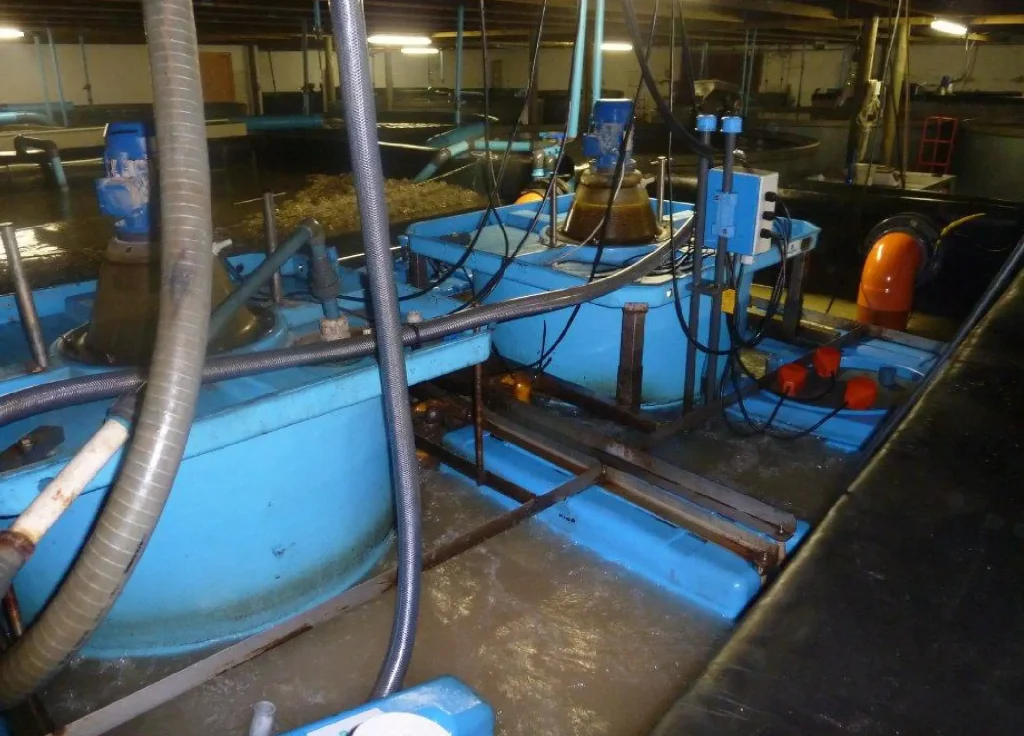
Circulators play an important role in mixing and destratifying the water. These devices generate well-oxygenated and naturally nutrient-rich currents, improving the overall health of the ecosystem, which is essential for aquaculture.
Fry feeders
With a production amounting to 160 million fry of premium species approximately, Italy also stands out in aquaculture feed management. Feeding systems ensure proper dosages of feed, preventing its accumulation and buildup that could compromise its effectiveness.
Baskets for mollusks and seafood harvesting at sea
The foundation of mollusks’ aquaculture lies in their growth phase, an essential process that requires the use of hydrodynamic baskets. These enable proper growing and optimal management of mollusks’ growth and productivity. Thanks to their characteristics, these baskets help control environmental conditions, protecting seafood and ensuring its balanced development.
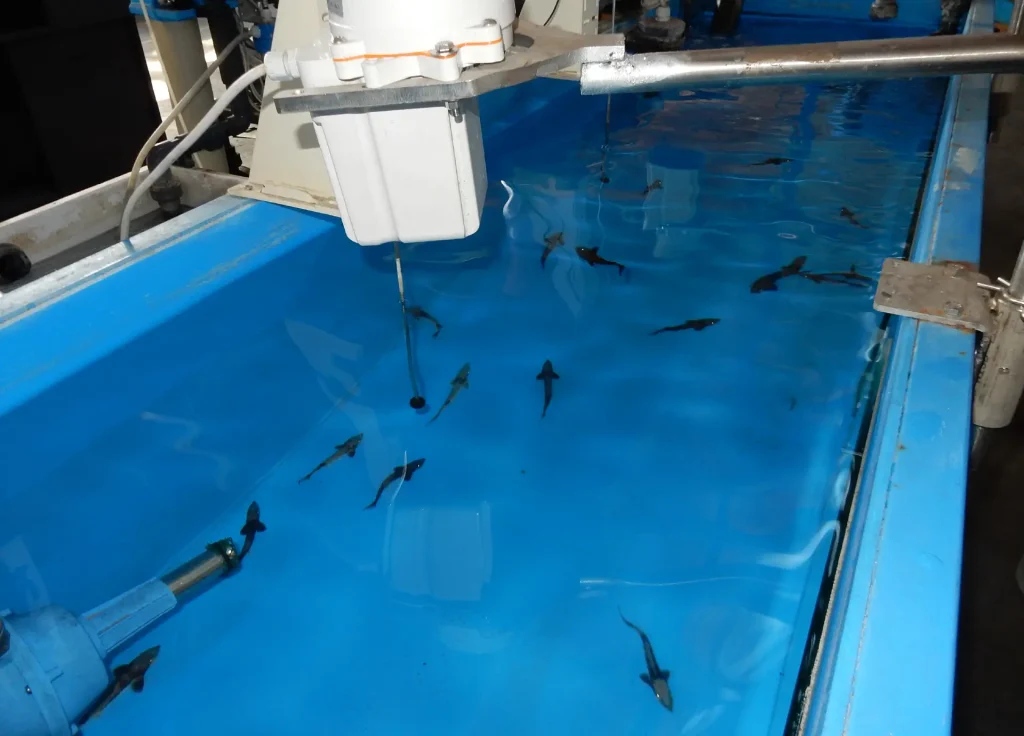
Advantages of sustainable aquaculture and water treatment
Sustainable aquaculture offers several advantages for both the environment and businesses in the fishery sector:
- Increased production efficiency: by respecting the physiological and behavioral (ethological) needs of farmed animals, ensuring their health and longevity over time.
- Low environmental impact: sustainable aquaculture is thought to reduce the ecological footprint, increasing production efficiency while protecting endangered species. This approach helps preserve biodiversity and maintain a balance in natural ecosystems.
- Reduction of pressure on wild fish stocks: one of the main challenges of traditional fishing is the overexploitation of marine resources. Sustainable aquaculture alleviates this pressure on already-depleted fish stocks, providing an alternative that doesn’t harm natural resources.
Acqua&Co is a leader in the design and supply of advanced systems for sustainable aquaculture and water treatment. Contact us to find out how our solutions can help you increase the efficiency and sustainability of your farming system.